Lapland is a fascinating destination that draws many travellers every year, especially for its snowy landscapes, its northern lights and its distinctive culture. Here are the most frequently asked questions about travelling to Lapland, this unique region, with clear answers to help you plan your trip.
1. When should you go to Lapland to see the northern lights?
The best time to see the northern lights in Lapland runs from late September to early April, peaking between December and February, when the nights are longest.
2. What can you do in Lapland in winter?
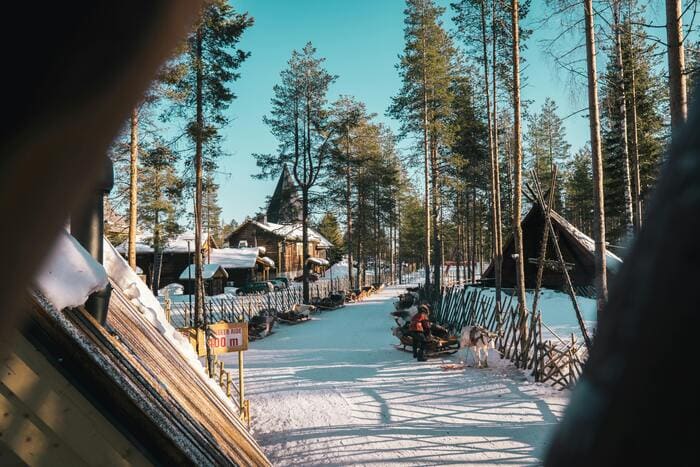
You can go dog sledding, snowmobiling, cross-country skiing, snowshoeing and ice fishing, and visit reindeer farms or Sami villages.
3. Do you need a visa to travel to Lapland?
Lapland is spread across Finland, Sweden, Norway and Russia. For the Finnish, Swedish and Norwegian parts, a passport or a European ID card is enough for EU citizens. A visa is required for the Russian part.
4. What should you wear for a trip to Lapland?
Bring very warm clothes in layers: thermal underwear, wool jumpers, an insulated parka, gloves, a hat, and waterproof shoes made for extreme cold.
5. Where to stay in Lapland in winter?
You will find ice hotels, traditional wooden cabins, glass igloos for watching the sky, as well as local guesthouses and winter campsites.
6. Can you travel to Lapland in summer?
Yes. Summer brings a mild climate and the midnight sun, with very long days that are ideal for hiking, cycling and exploring nature.
7. How do you get around Lapland?
Most travel is by car, bus, local train, or snowmobile in winter. Some remote places require regional flights or helicopter transfers.
8. What language is spoken in Lapland?
The official languages are Finnish, Swedish, Norwegian and Russian, depending on the area. Sami is an indigenous language that is still in use. English is widely spoken in tourist areas.
9. What are the must-sees in Lapland?
Pyhä-Luosto National Park, Santa Claus Village in Rovaniemi, the ski areas, reindeer farms and the museums of Sami culture are among the highlights.
10. How do you prepare for the extreme cold in Lapland?
Beyond the right clothing, adjust your diet, keep your skin well moisturised, avoid alcohol, and limit your time outdoors to prevent frostbite.
11. Can you go camping in Lapland in winter?
Yes, but you need good equipment and experience to cope with the low temperatures. There are also winter campsites with heated shelters.
12. Is there Wi-Fi in Lapland?
Wi-Fi is available in the larger towns and in some tourist accommodation, but it can be limited or non-existent in remote areas.
13. How much does a trip to Lapland cost?
Costs are generally high because of the remoteness. Expect around €1,000 to €2,000 for a week, including transport, accommodation and activities.
14. Do children enjoy Lapland?
Yes. With activities such as visiting Santa Claus Village, sledge rides and exploring nature, Lapland is a very popular family destination.
15. Can you see wild animals in Lapland?
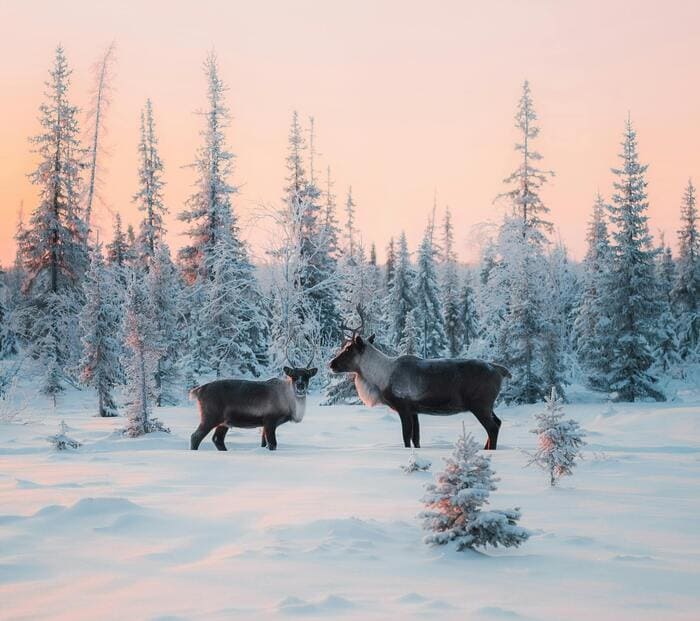
Yes. You can spot reindeer, elk, Arctic foxes, and sometimes bears or wolves, often with professional guides.
16. Are there any particular health restrictions?
It is wise to check the current rules before you leave, but there are generally no specific restrictions for travellers to Lapland.
17. How do you choose between Finnish, Swedish and Norwegian Lapland?
It depends on what you want: Finnish Lapland is popular for its winter activities, Swedish Lapland for its vast wilderness, and Norwegian Lapland for its fjords and mountains.
18. Is it easy to drive in Lapland?
Driving is possible, but you need to be ready for winter conditions, with snow and ice on the roads, and for the low light in winter.
19. What souvenirs should you bring back from Lapland?
Sami handicrafts, reindeer leather goods, silver jewellery, and local food such as dried reindeer meat or wild berries are typical souvenirs.
20. How do you take better photos in Lapland?
Use a tripod for the northern lights, shoot during the golden hours of morning and evening, and protect your gear from the cold by carrying spare batteries.
Find all my articles by clicking HERE.